
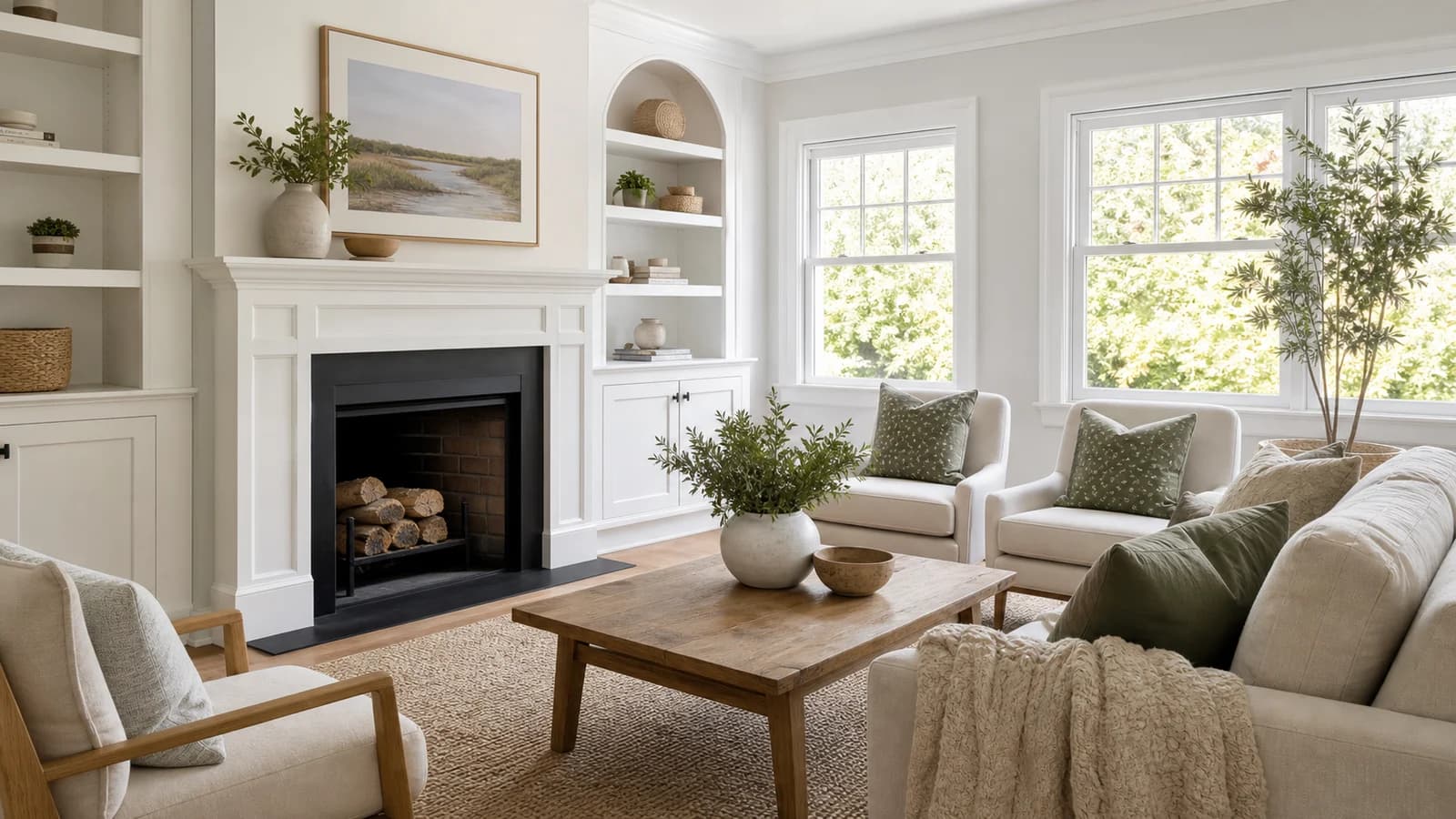
The Most Common Design Mistakes Homeowners Make Before Selling
Date Published
When homeowners start thinking about selling, one of the first questions that comes up is, "What should I update?"
It's a fair question and one that often leads people down the wrong path.
In an effort to "do the right things," many sellers accidentally spend time, money, and energy on updates that don't help and in some cases, quietly work against them. The good news is that most design missteps before selling aren't dramatic or irreversible. They're simply a matter of perspective.
Understanding what buyers tend to respond to and what they tend to overlook can make preparation feel much clearer.
Mistake #1: Over-Personalizing the Space
One of the most common issues is leaving too much of your personality in the home when it's time to show it.
That doesn't mean your style is wrong. It means that buyers need room to imagine theirs.
Common examples include:
- Bold accent walls
- Very specific décor themes
- Large collections or statement pieces that dominate a room
Buyers aren't judging the taste itself, they're trying to mentally place their own furniture, routines, and preferences into the space. When a home feels visually crowded or highly customized, that mental step is harder.
What helps instead: Neutralizing without erasing. Clean walls, simplified décor, and fewer visual focal points give rooms flexibility without making them feel empty.
Mistake #2: Renovating Without a Clear Purpose
Another frequent misstep is assuming that any renovation is a good renovation.
In reality, last-minute projects, especially expensive ones, rarely deliver the emotional or financial return sellers expect. New kitchens, bathrooms, or flooring don't always translate dollar-for-dollar, particularly if they're chosen quickly or reflect very specific tastes.
Buyers often value:
- Condition
- Functionality
- Overall feel
More than they value brand-new finishes.
What helps instead: Addressing wear and tear. Fixing what's broken, refreshing what's tired, and making the home feel well cared for almost always matters more than chasing upgrades.
Mistake #3: Ignoring Lighting
Lighting is one of the quietest influences on how a home feels and one of the easiest to overlook.
Dim rooms, mismatched bulbs, or outdated fixtures can make an otherwise attractive space feel smaller, colder, or less inviting.
This isn't always about buying new light fixtures. Often, it's about:
- Replacing harsh or dull bulbs with warm, consistent lighting
- Making sure all lights work
- Allowing natural light to do as much of the work as possible
What helps instead: Brightening without overdoing it. Homes that feel naturally light tend to show better, photograph better, and linger positively in buyers' minds.
Mistake #4: Forgetting the First Impression
Homeowners often focus heavily on interior spaces and unintentionally neglect how the home feels at the very beginning.
First impressions are formed quickly, sometimes before a buyer even steps inside.
Common issues include:
- Cluttered entryways
- Overgrown landscaping
- Front doors or porches that feel tired
These details don't usually require major investments, but they set the emotional tone for the entire showing.
What helps instead: Simple curb-appeal refreshes: trimmed greenery, a clean entry, and a welcoming front door can quietly elevate everything that follows.
Mistake #5: Doing Too Much
It's natural to want the home to feel "just right," but over-staging or over-styling can backfire.
Homes that feel overly arranged sometimes feel less livable. Buyers may admire the presentation but struggle to connect emotionally.
What helps instead: Restraint. Clean, comfortable spaces with room to breathe tend to feel more authentic and easier to imagine living in.
The Bigger Picture
The goal of preparing a home for sale isn't to impress everyone. It's to make the home feel approachable, coherent, and easy to understand.
Most buyers aren't looking for perfection. They're looking for potential clarity in an environment where they can picture their own next chapter.
When preparation focuses on comfort, simplicity, and care rather than trends or assumptions, homes tend to resonate more naturally.
If you're ever wondering which changes are worth making and which ones can be skipped, that perspective can save both stress and resources. Sometimes, doing less (but doing it thoughtfully) is exactly what helps most.
Referenced images
- https://d23bayc1vzzbdx.cloudfront.net/directimagefolder/imagerepo/socialmedia/21707d52-ac03-458a-85d8-c3a73b5035b3/Satya/49ea2d3c-8afc-4bfc-8936-deee23437df8.jpg — Alt: "The Most Common Design Mistakes Homeowners Make Before Selling" (featured image)