
01
Attached addition
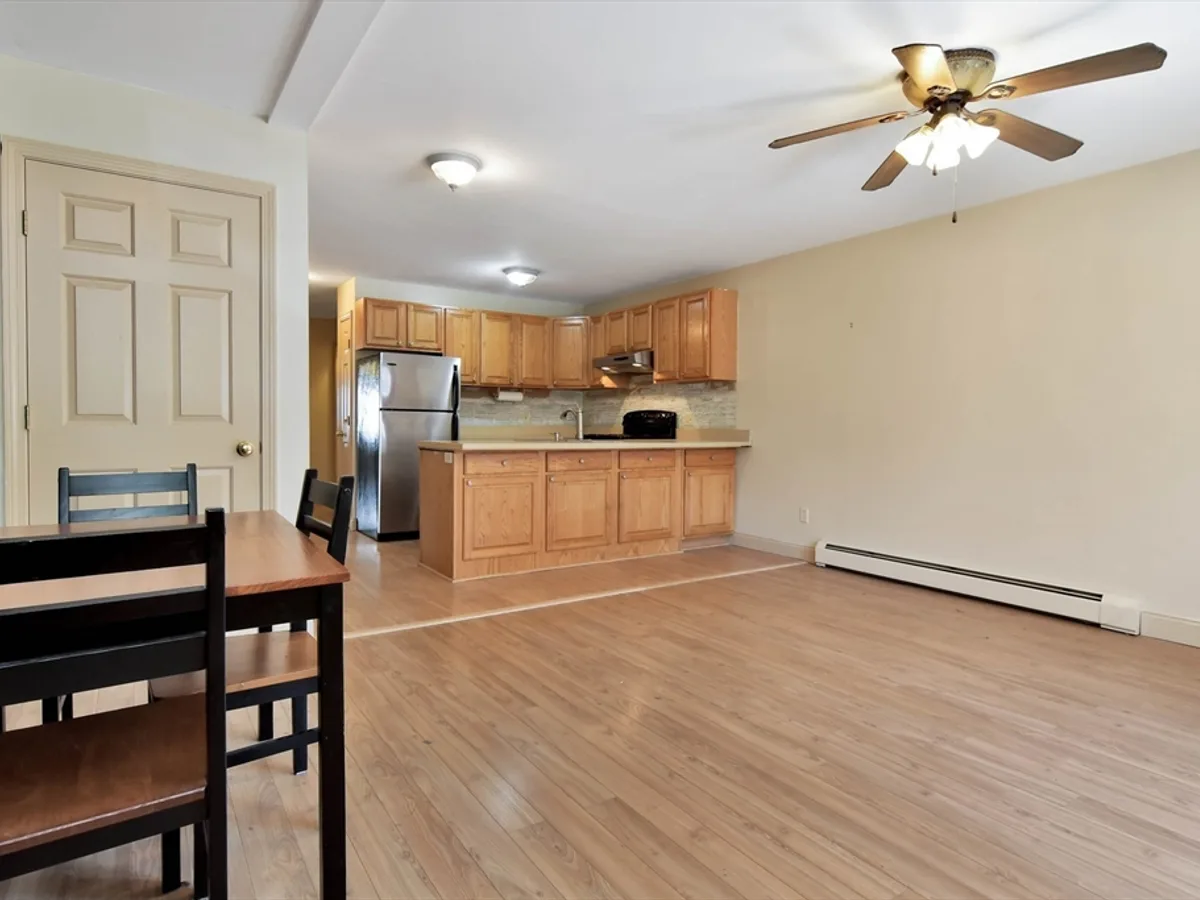
A private living suite connected to the existing home — often a ground-floor suite with its own entrance, kitchen, and bath.

An Accessory Dwelling Unit can help families keep loved ones close while maintaining privacy and independence. Whether you're planning for an aging parent, exploring multigenerational living, or simply considering your future housing options, recent changes to Massachusetts law have made ADUs more accessible than ever.
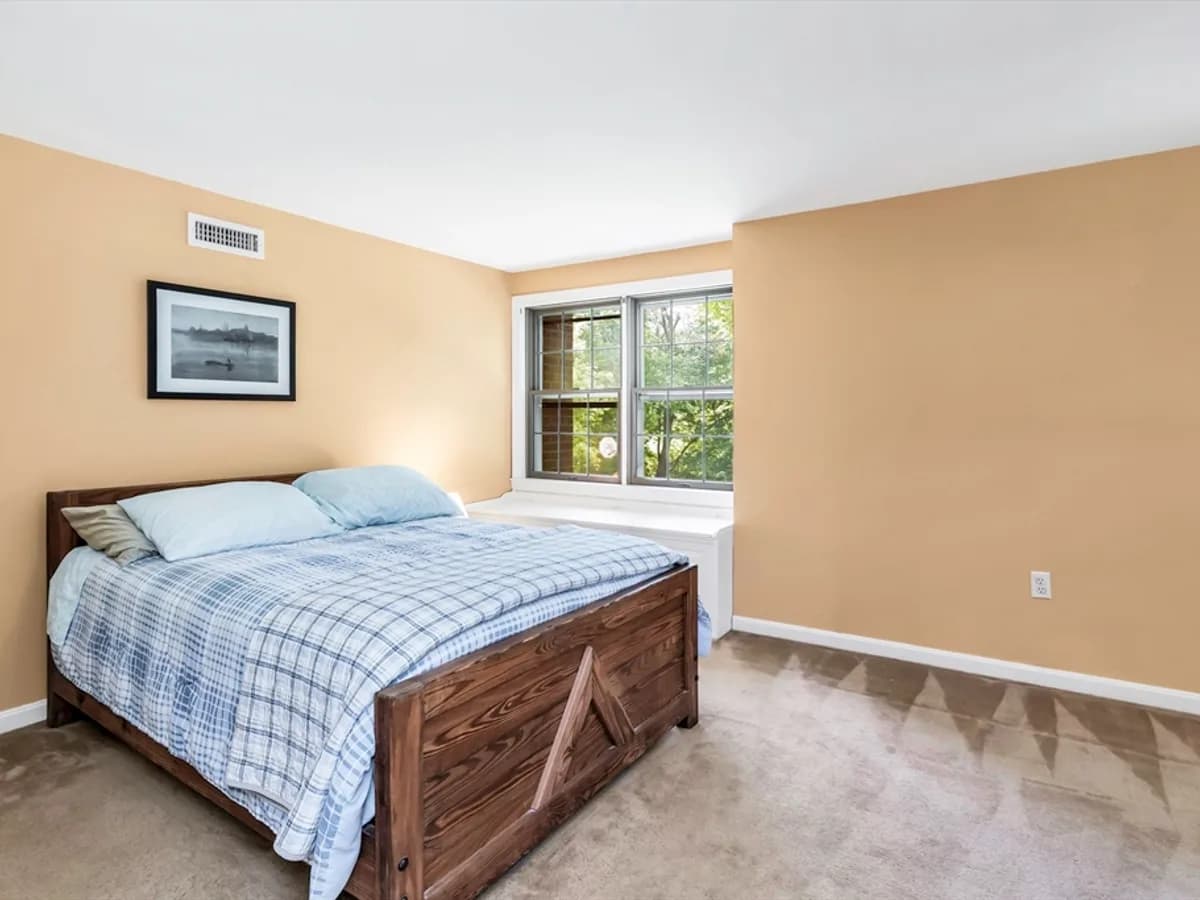
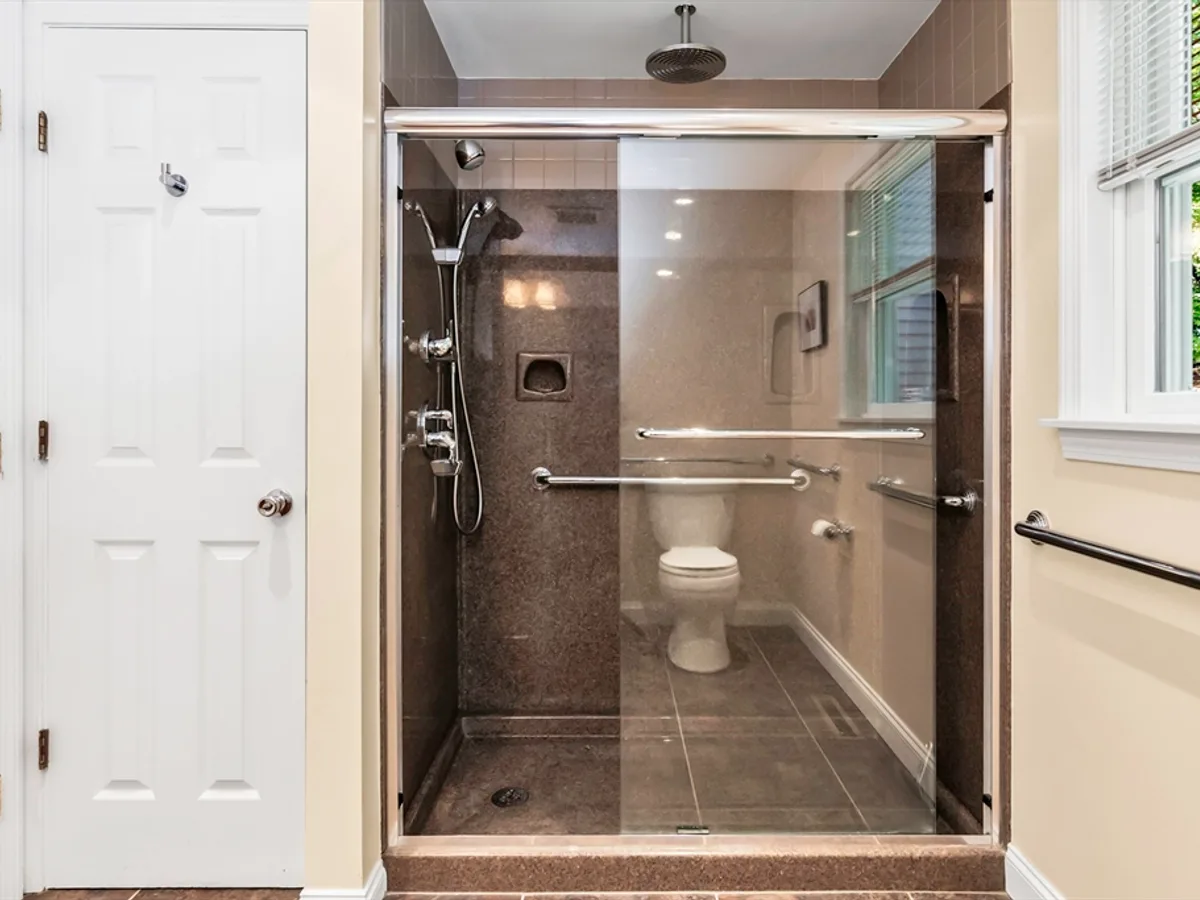
An Accessory Dwelling Unit (ADU) is a small, independent living space located on the same property as a primary residence. Depending on your property and goals, an ADU may be:
01
A private living suite connected to the existing home — often a ground-floor suite with its own entrance, kitchen, and bath.
02
An efficient way to transform existing space into a comfortable apartment — lower cost, lower disruption.
03
A separate home offering maximum privacy while keeping family close.
The point of an ADU isn’t a smaller home. It’s the same daily life, lived closer.
An ADU may be worth exploring if you are:
01
The widowed parent
Mom doesn't want to leave the town she's lived in for forty years, but the four-bedroom is too much to keep up. An ADU on the daughter's property — one town over — keeps her close to her grandchildren without making her a houseguest.
02
The adult child planning ahead
You know the call is coming — the fall, the diagnosis, the sudden loss of a parent. Building the ADU now, while everyone has the energy and agency to design it well, is a different conversation than building under pressure.
03
The family thinking generationally
Today it houses your mother. In ten years it's a home office, a rental, a landing pad for your kid after college, or the place your family gathers. ADUs are the rare senior-housing decision that keeps paying forward.
Building an ADU involves more than construction. Every property, family, and budget is different. While we don’t design or build ADUs ourselves, we can help you:
Our role is simple: help you understand your options and introduce you to experienced professionals who can guide the project from planning through completion.
01
Could an ADU work on my property?
02
What does the 2024 Massachusetts Affordable Homes Act actually allow?
03
Is an ADU less expensive than assisted living?
04
Who designs and builds the ADU?
05
What are the financing options?
06
What if we want to rent it out later?
We’ve hosted educational seminars and collaborated with attorneys, lenders, housing experts, and ADU professionals to help families better understand multigenerational housing options.
Whether an ADU ultimately makes sense or not, our goal is to provide practical guidance, answer your questions, and connect you with trusted professionals who can help you make informed decisions.
Every family — and every property — is different. If you’re wondering whether an ADU could be the right solution, we’d be happy to discuss your goals, answer your questions, and help you understand your options.
Prefer to schedule directly? Book a call with Kevin.